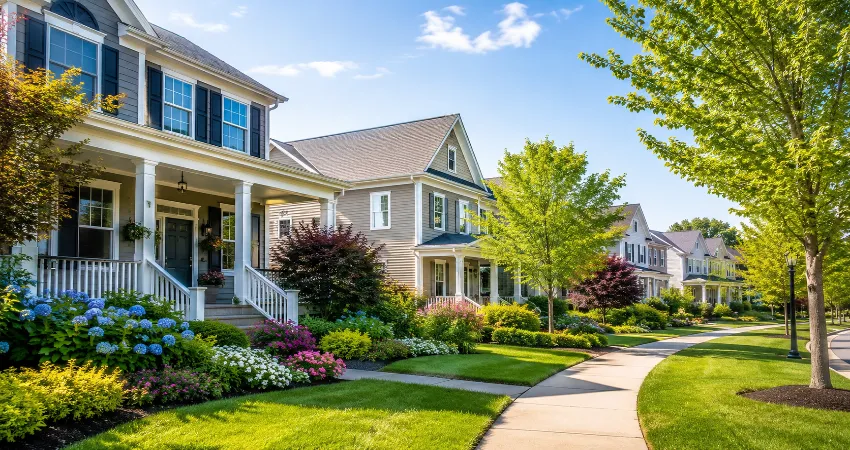
Massachusetts is one of the most desirable states to live in the United States, offering an excellent combination of strong employment opportunities, top-ranked schools, historic neighborhoods, and modern amenities. Whether you’re a first-time homebuyer, a growing family, a working professional, or someone planning to relocate, choosing the right residential area is one of the most important decisions you can make.
From bustling suburbs near Boston to peaceful communities with excellent public services, Massachusetts offers a wide range of neighborhoods to suit different lifestyles and budgets. High-demand residential areas often feature quality schools, convenient transportation, low crime rates, thriving local economies, and strong property value appreciation. These factors make them attractive places to live while also providing long-term investment potential.
This guide highlights the top 10 best high-demand residential areas in Massachusetts. Each location has earned its reputation for offering a balanced lifestyle, making it a popular choice among homebuyers and renters alike.
Top 10 Best High-Demand Residential Areas In Massachusetts
1. Newton
Newton consistently ranks among the most desirable residential cities in Massachusetts. Located just west of Boston, it offers residents easy access to downtown while maintaining a peaceful suburban atmosphere. Families are drawn to Newton because of its highly rated public schools, attractive neighborhoods, well-maintained parks, and community-focused environment. The city also provides excellent healthcare facilities, shopping centers, and recreational opportunities, making it suitable for residents of all ages.
2. Lexington
Lexington combines rich American history with modern suburban living. It is widely recognized for its exceptional public school system, making it a favorite among families with children. Tree-lined streets, spacious homes, and numerous parks contribute to its high quality of life. Residents also enjoy convenient access to major highways and nearby employment centers in the Greater Boston area.
3. Brookline
Brookline offers an ideal balance between urban convenience and residential comfort. Bordering Boston, it provides quick access to universities, hospitals, cultural attractions, and business districts. The community features beautiful historic homes, excellent public transportation, vibrant local businesses, and numerous green spaces. Its walkable neighborhoods continue to attract professionals and families alike.
You May Like: Top 10 Best Property Investments Companies In Delaware
4. Cambridge
Cambridge is internationally recognized for its educational institutions, innovation, and vibrant economy. Home to world-famous universities and numerous technology companies, the city attracts professionals, researchers, and students from around the globe. Residents benefit from excellent public transportation, diverse dining options, cultural events, and a dynamic housing market that remains in consistently high demand.
5. Wellesley
Wellesley is known for its upscale neighborhoods, outstanding educational opportunities, and beautiful natural surroundings. The town offers a safe environment, attractive downtown shopping, community events, and well-maintained public facilities. Its excellent schools and strong sense of community continue to make Wellesley one of Massachusetts’ most sought-after residential destinations.
6. Needham
Needham has become increasingly popular among families seeking a quiet suburban lifestyle with easy access to Boston. The town features highly regarded schools, numerous parks, family-friendly neighborhoods, and convenient commuter rail service. Local businesses, community organizations, and recreational programs further enhance its appeal for long-term residents.
7. Winchester
Winchester is frequently recognized for its high quality of life and excellent educational system. The town offers charming residential streets, attractive homes, scenic ponds, and abundant recreational opportunities. Residents appreciate its safe neighborhoods, active community involvement, and convenient transportation options for commuting into Boston.
8. Belmont
Belmont offers a comfortable suburban environment while remaining close to major employment centers. It is known for quality schools, attractive parks, and well-maintained residential neighborhoods. The town provides convenient public transportation, making daily commuting easier for professionals working in nearby cities.
9. Arlington
Arlington has become increasingly attractive due to its walkable neighborhoods, diverse housing options, and vibrant local community. Residents enjoy bike trails, parks, restaurants, and cultural events throughout the year. Its proximity to Cambridge and Boston makes Arlington especially popular among young professionals and growing families seeking both convenience and community.
10. Andover
Andover offers an excellent blend of suburban living, quality education, and strong economic opportunities. The town features spacious residential neighborhoods, beautiful outdoor recreation areas, and a historic downtown filled with local businesses. Good highway access and commuter transportation make Andover an appealing option for professionals working throughout the Greater Boston region.
Factors That Make These Residential Areas High in Demand
Several characteristics contribute to the continued popularity of these Massachusetts communities. High-performing public schools remain one of the strongest drivers for families searching for homes. Safe neighborhoods, reliable healthcare services, convenient transportation, shopping centers, parks, and employment opportunities also influence residential demand. Additionally, many of these communities have experienced stable property value growth over the years, making them attractive for long-term investment.
Things to Consider Before Choosing a Residential Area
Every homebuyer has different priorities, so it’s important to evaluate several factors before making a decision. Consider your budget, commuting requirements, school preferences, lifestyle needs, and future plans. Visiting neighborhoods at different times of the day can also provide valuable insight into traffic, noise levels, and the overall community atmosphere. Comparing property taxes, housing inventory, and local amenities can help ensure you choose the location that best matches your goals.
FAQs About Best High-Demand Residential Areas In Massachusetts
1. Which residential area in Massachusetts has the best public schools?
Several communities are recognized for outstanding public education, including Newton, Lexington, Wellesley, Needham, and Winchester. School rankings may vary from year to year, but these towns consistently maintain strong academic performance, extracurricular programs, and college preparation opportunities, making them highly desirable for families.
You May Like: Top 10 Best Property Investments Companies In Rhode Island
2. Is Massachusetts a good state for long-term real estate investment?
Massachusetts has historically demonstrated stable housing demand due to its strong economy, educational institutions, healthcare industry, and technology sector. While market conditions fluctuate, many residential areas continue to experience steady appreciation over time, making the state attractive for long-term property ownership.
3. Which city is best for commuters working in Boston?
Brookline, Cambridge, Newton, Belmont, Needham, and Arlington offer convenient access to Boston through public transportation and major roadways. The best choice depends on individual commuting preferences, budget, and desired neighborhood atmosphere.
4. Are these residential areas suitable for families?
Yes. Most of the communities listed are known for family-friendly environments, excellent schools, parks, libraries, recreational programs, and safe neighborhoods. These qualities contribute to their consistently high residential demand.
5. Which area offers the best balance between suburban living and city access?
Newton, Belmont, Brookline, and Arlington provide an excellent balance between suburban comfort and urban convenience. Residents enjoy quieter neighborhoods while remaining close to employment centers, shopping, entertainment, and healthcare services.
6. Are property prices higher in these high-demand areas?
In many cases, yes. Strong demand, desirable amenities, quality schools, and convenient locations often contribute to higher home prices. However, the long-term value and overall quality of life frequently justify the investment for many buyers.
7. Is Cambridge only suitable for students?
No. Although Cambridge is well known for its universities, it is also home to professionals, families, entrepreneurs, researchers, and retirees. Its diverse economy, cultural attractions, and excellent public services make it attractive to a wide range of residents.
8. What amenities should buyers prioritize when selecting a residential area?
Important considerations include school quality, healthcare facilities, public transportation, grocery stores, parks, recreational facilities, shopping centers, community safety, and employment opportunities. The importance of each factor depends on your personal lifestyle and future plans.
9. Do these communities have strong local economies?
Yes. Many of these towns benefit from proximity to Boston’s financial, healthcare, education, biotechnology, and technology sectors. Strong local economies help support stable employment opportunities and continued housing demand.
10. How can I choose the right residential area for my needs?
Start by identifying your priorities, including budget, commute, school preferences, neighborhood style, and future family plans. Visit multiple communities, compare housing options, review local services, and consult experienced real estate professionals before making a final decision.
Conclusion
Massachusetts offers a wide variety of outstanding residential communities that appeal to families, professionals, retirees, and investors alike.
Whether you prioritize exceptional schools, convenient commuting, vibrant local amenities, or long-term property value, the cities and towns featured in this guide represent some of the state’s most desirable places to live.
Carefully evaluating your personal needs and visiting prospective neighborhoods will help you find the residential area that best fits your lifestyle and long-term goals.